

This guide breaks down what effective retail cleaning looks like in Sydney, what to prioritise, and how to keep standards consistent without overcomplicating the operation.
What does “retail cleaning” actually include in Sydney stores?
Retail cleaning covers daily presentation cleaning plus periodic deep cleaning that protects surfaces and hygiene. For most Sydney stores, it includes front-of-house, back-of-house, and shared customer areas.
For retail cleaning Sydney, this typically means a structured mix of routine and periodic tasks to maintain both appearance and hygiene standards. Common tasks include mopping and vacuuming, spot-cleaning marks, dusting shelves and displays, sanitising high-touch points, cleaning glass and mirrors, emptying bins, maintaining bathrooms, and keeping staff rooms tidy. Many sites also schedule periodic machine scrubbing, carpet extraction, grout treatment, and high-level dusting.
Why does cleanliness directly affect conversion and sales?
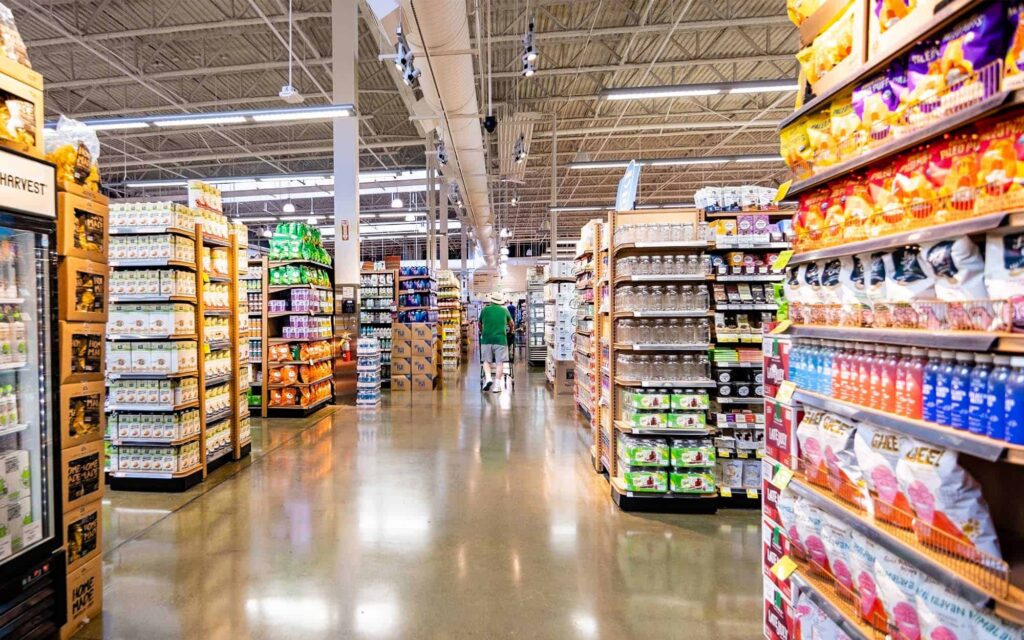
Cleanliness reduces friction in the buying decision. When a store looks neglected, customers often assume the same about product quality, service standards, or food safety, even if it is unfair.
A clean store signals care, order, and trust. It also improves comfort: fewer odours, less sticky flooring, clearer fitting rooms, and cleaner bathrooms. That comfort keeps customers browsing longer, and longer browsing typically increases basket size and purchase likelihood.
What are the highest-impact areas customers notice first?
Customers tend to judge a store within seconds, and they focus on a few “tell” areas. If those are clean, most shoppers assume the rest is managed well.
Priority areas include: entry glass and doors, floors near the entrance, checkout counters, fitting rooms, mirrors, product touchpoints, and bathrooms. In Sydney’s wet weather periods, entry mats and slip-prone tiles also become the fastest way for a store to look dirty and feel unsafe.
How should Sydney retailers set a daily cleaning standard that stays consistent?
Consistency comes from simplicity and clear ownership. A short checklist with defined frequencies usually beats an ambitious plan that no one can maintain.
Many retailers use three layers: open clean, trade clean, and close clean. “Open” handles presentation and smell, “trade” handles quick spot fixes and bathrooms, and “close” resets floors, bins, and touchpoints. They should also define who signs off, what “good” looks like, and what gets escalated to professional cleaners.
How often should stores schedule deep cleaning?
Deep cleaning should be scheduled before the store looks tired, not after complaints start. Frequency depends on foot traffic, flooring type, and the category they trade in.
As a baseline, many stores benefit from monthly or quarterly floor machine work, quarterly window detailing (more often for street frontage), and periodic carpet extraction if they have rugs or carpet tiles. Food-adjacent retail, gyms, and pharmacies often require more frequent sanitisation and higher attention to grout, drains, and odour control.
What are the best retail cleaning practices for floors, glass, and bathrooms?
The best practice is to match methods to surfaces and to prevent re-soiling. That means using the right chemistry, tools, and drying times, not just “more cleaning.”
For floors, they should prioritise matting, fast spot mops, and scheduled machine scrubbing for textured tiles and high-traffic zones. For glass, they should clean at angles that reduce streaking, and focus on fingerprints at handle height. For bathrooms, they should use documented touchpoint sanitising, restock checks, odour management, and strict attention to soap scum, grout, and bins.
How can retailers keep cleaning from disrupting trading hours?
They can reduce disruption by splitting tasks into micro-cleans and scheduling noisy work outside peak times. Customers rarely mind seeing cleaning, but they do mind blocked aisles, wet floors, and chemical smells.
Daytime cleaning should focus on fast, quiet tasks: spot vacuuming, quick mop zones with signage, wipe-downs, and bathroom checks. Heavier work like machine scrubbing, high dusting, and detailed glass is usually better before opening or after close, especially in busy Sydney shopping precincts.
Should they use in-house staff, a retail cleaning company, or a hybrid?
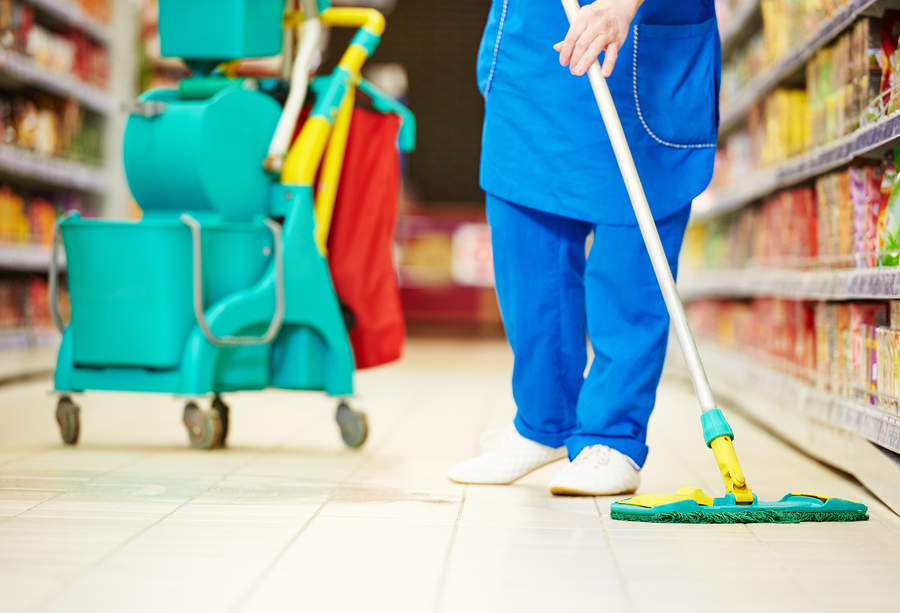
A hybrid model often works best. Staff handle quick presentation tasks, while professionals handle specialist work, compliance-heavy areas, and deep cleaning.
In-house cleaning can be cost-effective for small stores, but it can slip during rush periods and staff turnover. Professional retail cleaning companies bring equipment, consistency, and documented processes. For many Sydney retailers, outsourcing bathrooms, floors, and scheduled deep cleans while keeping staff on spot duties strikes the right balance.
What should they look for in a Sydney retail cleaning provider?
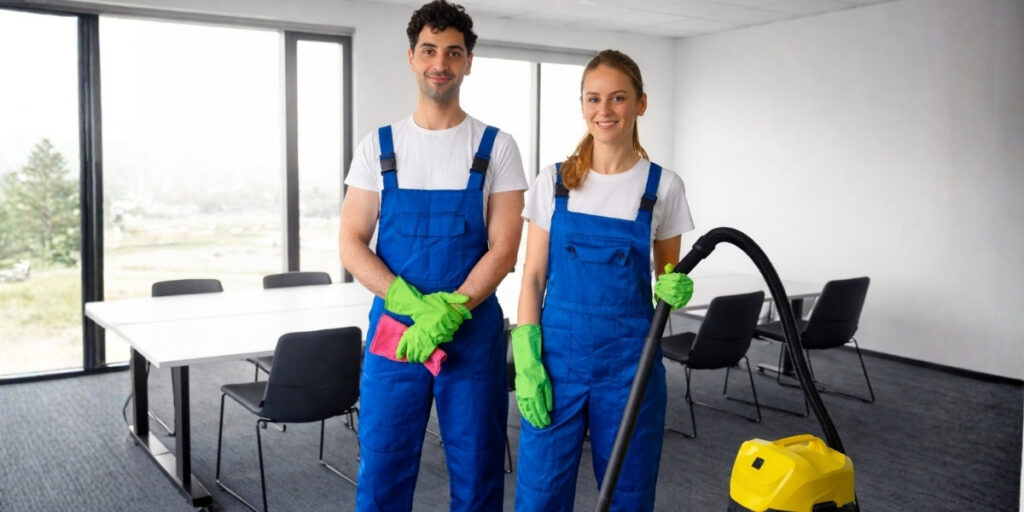
They should look for proof of consistency, not just a low quote. A good provider will explain scope clearly, show how quality is checked, and tailor frequency to the site.
Key items include: clear inclusions and exclusions, supervision and audits, public liability insurance, staff vetting, SDS and chemical controls, safe work procedures, and reliable scheduling. If the store is in a centre, they should confirm access rules, loading dock timing, waste disposal processes, and whether the cleaner can work within the centre’s requirements.
More to read : Warehouse Cleaning Services: What Safety and Compliance Requirements Apply?
How can they measure whether cleaning is actually improving performance?
They should track indicators that connect cleaning to customer experience. The goal is not “more cleaning,” but fewer negative signals that shorten visits or reduce trust.
Useful measures include customer complaints, bathroom checks passed per day, slip and trip incidents, inspection scores, mystery shopper notes, and staff time spent on reactive cleaning. Some retailers also watch indirect signals like dwell time, repeat visits, and online reviews that mention cleanliness, smell, or bathrooms.
What is the simplest cleaning plan they can start with today?
They can start with a tight checklist and one deep-clean booking. A simple plan is easier to maintain and easier to improve.
They should define: a 10-minute open clean, two daytime touchpoint sweeps, and a close clean that resets floors, bins, and bathrooms. Then they should schedule one professional deep clean for floors and bathrooms, set a repeat interval, and review results after two weeks. If the store looks consistently sharp, customers will feel it, and sales often follow.
FAQs (Frequently Asked Questions)
What does retail cleaning include for stores in Sydney?
Retail cleaning in Sydney stores encompasses daily presentation cleaning and periodic deep cleaning to maintain surfaces and hygiene. It covers front-of-house, back-of-house, and shared customer areas with tasks like mopping, vacuuming, spot-cleaning, dusting shelves and displays, sanitising high-touch points, cleaning glass and mirrors, emptying bins, maintaining bathrooms, and keeping staff rooms tidy. Periodic machine scrubbing, carpet extraction, grout treatment, and high-level dusting are also common.
How does cleanliness impact sales and customer experience in Sydney retail stores?
Cleanliness directly affects sales by reducing friction in the buying decision. A clean store signals care, order, and trust while improving customer comfort through fewer odors, cleaner floors, fitting rooms, and bathrooms. This enhanced comfort encourages customers to browse longer, increasing basket size and purchase likelihood. Neglected cleanliness can lead customers to question product quality and service standards.
Which areas should Sydney retailers prioritise for high-impact retail cleaning?
Sydney retailers should prioritise entry glass and doors, floors near entrances, checkout counters, fitting rooms, mirrors, product touchpoints, and bathrooms. During wet weather periods, entry mats and slip-prone tiles require extra attention as they can quickly make a store appear dirty or unsafe. Focusing on these ‘tell’ areas influences customers’ first impressions positively.
How can Sydney retailers set consistent daily cleaning standards without complicating operations?
Consistency is achieved through simplicity and clear ownership. Retailers often use a three-layer approach: open clean (presentation and smell), trade clean (spot fixes and bathrooms), and close clean (resetting floors, bins, touchpoints). Defining who signs off on cleaning quality, what ‘good’ looks like, and escalation procedures helps maintain standards without overcomplicating processes.
What are the recommended frequencies for deep cleaning in Sydney retail stores?
Deep cleaning should be scheduled proactively before the store shows signs of wear. Frequency depends on foot traffic, flooring type, and retail category. Commonly, monthly or quarterly floor machine work is advised; quarterly window detailing is typical but more frequent for street-front stores; periodic carpet extraction applies if rugs or carpet tiles exist. Food-adjacent retailers like gyms or pharmacies may require more frequent sanitisation focusing on grout, drains, and odour control.
Should Sydney retailers use in-house staff or professional cleaning services for retail cleaning?
A hybrid model is often most effective. In-house staff can manage quick presentation tasks such as spot cleaning during trading hours while professional cleaners handle specialist work including compliance-heavy areas and deep cleans. This balance ensures cost-effectiveness while maintaining consistency with access to equipment and documented processes important for high-quality retail cleaning.