

What does “build quality” actually mean on a live site?
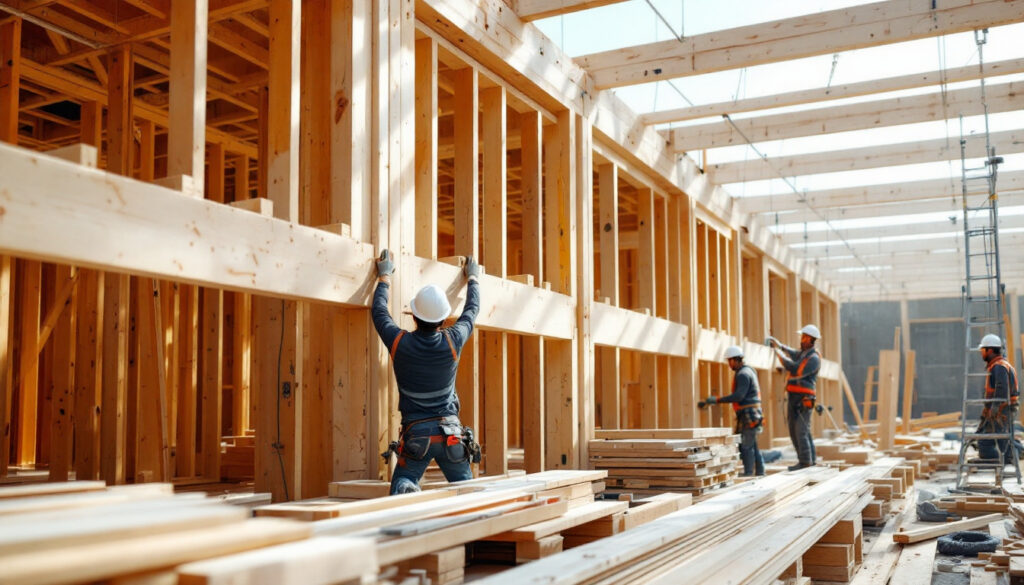
Build quality is the combination of structural accuracy, material standards, and consistent finishing across the home. With LVL Construction, homebuyers should look for straight lines, tight joins, clean interfaces between materials, and repeatable detail from room to room. Good builds typically show fewer “patch fixes” because problems were handled before final finishes went on.
How can homebuyers assess LVL Construction workmanship during a viewing?
They can start with the basics: walls and floors should feel level, doors should close cleanly, and trims should meet neatly at corners. On an LVL construction site, repeated small errors often point to rushed sequencing. Buyers can also check window reveals, tile lines, and stair alignment, because these areas expose accuracy issues quickly. Click here to explore LVL construction practices and discover how attention to detail contributes to better building outcomes.
What should they look for in foundations and groundworks?
Foundations are mostly hidden, so evidence comes from site drainage, external levels, and paperwork. For LVL Construction projects, buyers should check that paths and drives slope away from the house, air vents are clear, and external ground does not sit too high against walls. Poor levels can increase damp risk and reduce ventilation.
How do drainage and falls reveal whether LVL Construction site work is solid?
Drainage problems often show up before anything else. Buyers assessing LVL Construction site work can look for standing water, silt marks near gullies, and uneven paving. They can also ask where surface water goes and whether soakaways are used. Clear answers and tidy drainage runs often indicate the site has been planned properly.
What are the most common “finish” issues that signal deeper problems?
Some cosmetic defects are normal, but patterns matter. In an LVL Construction home, repeated cracking at corners, misaligned skirting, or uneven tiling can suggest movement, poor substrate preparation, or rushed drying times. Buyers should treat widespread silicone “cover-ups” and heavy caulking as possible signs that the underlying fit is not true.
How can they check insulation, ventilation, and damp protection without opening walls?
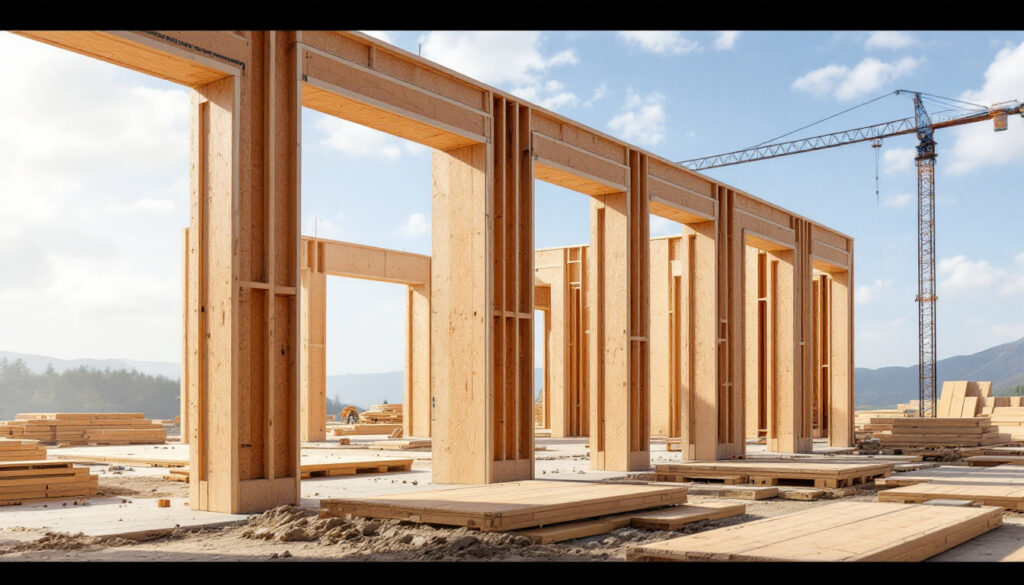
They can look for indirect signs: consistent extractor fans, properly sealed window frames, and no musty smell in cupboards or under stairs. With LVL Construction, buyers should confirm trickle vents exist where expected and that bathroom and kitchen fans vent outside. Condensation on new windows or cold “bands” on walls can hint at missing insulation.
Which documents should LVL Construction buyers ask to see?
Paperwork provides proof where eyes cannot. For LVL Construction, buyers can ask for warranties, building control sign-off, completion certificates, EPC details, and any commissioning sheets for heating and ventilation. They can also request a snagging list history if the home was previously reserved. Well-organised documentation usually tracks with well-managed work on site. Property stakeholders reviewing assets can rely on construction compliance documentation standards to validate build quality and regulatory alignment.
How should they approach snagging on an LVL Construction home?
They should snag methodically and early. For LVL Construction homes, buyers can walk room by room, test sockets, run taps, flush toilets, and check seals around showers and baths. They should photograph issues and record dates. A professional snagging inspection can help, but even a careful buyer can catch most problems by testing everything twice.
What questions should they ask the site team before exchanging contracts?
Good questions uncover how the home was built, not just how it looks. When dealing with LVL Construction, buyers can ask about drainage design, material specifications, any changes from the original plan, and who is responsible for post-completion fixes. They should also ask for realistic timelines for resolving snags, not vague assurances.
When is it worth bringing in an independent surveyor?
It is most useful when buyers lack confidence, the site is complex, or there are visible warning signs. For LVL Construction properties, an independent surveyor can check levels, moisture readings, roof void details, and external falls more objectively. They can also flag items that might affect warranty claims later, which helps buyers negotiate repairs before completion.
What is the simplest way to decide if LVL Construction build quality is “good enough”?
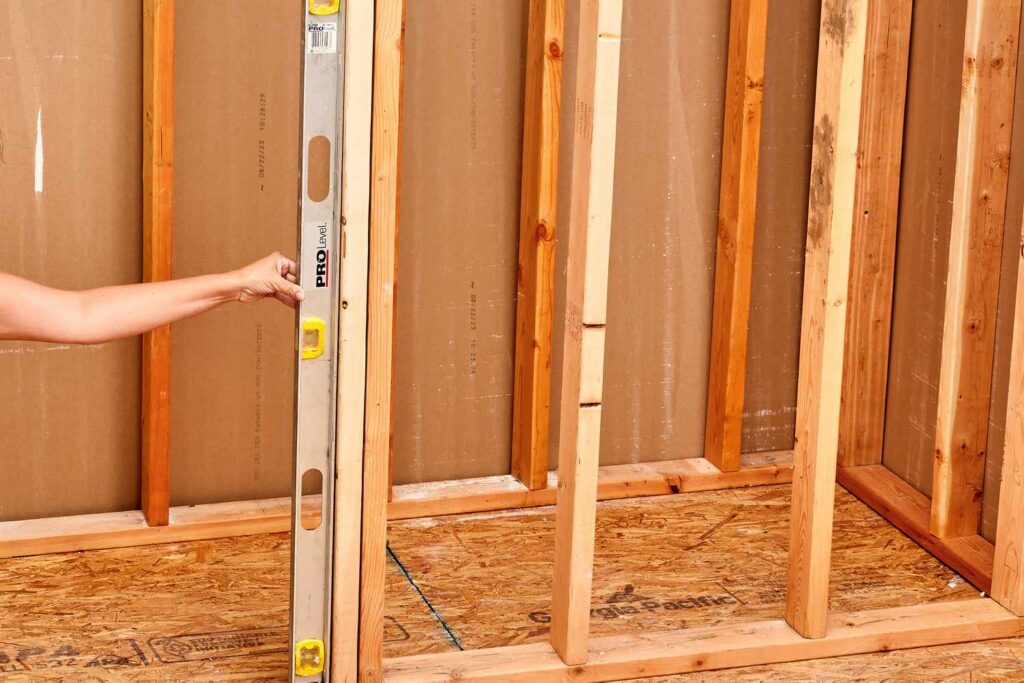
They can judge it by consistency, clarity, and accountability. If the LVL Construction home shows consistent detailing, clear drainage and ventilation intent, and a site team willing to explain the work and provide documents, it is usually a positive sign. If answers are evasive and defects repeat across rooms, buyers should slow down and verify everything.